Long before modern science, India classified elephants by personality, not just size
Ancient Indian scholars classified elephants by psychological traits like temperament and intelligence, not just physical characteristics.
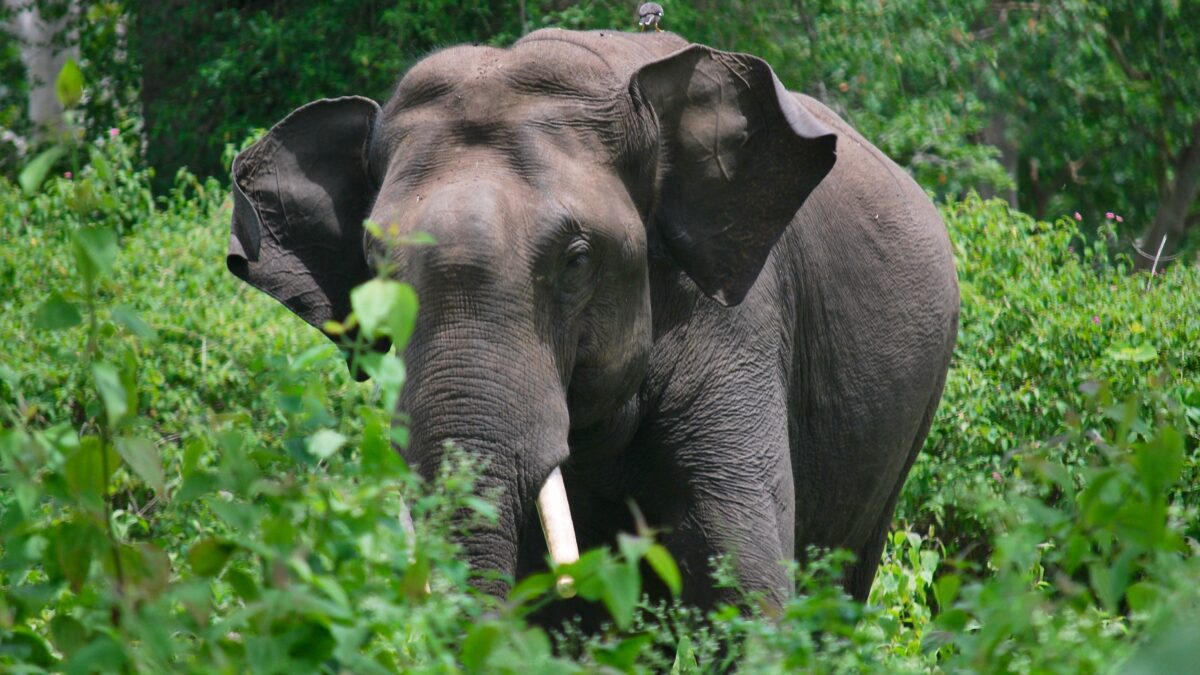
Modern research has only recently confirmed what ancient Indian scholars appear to have understood two millennia ago: elephants have distinct individual personalities. A new paper published in the Journal of Wildlife Science examines how classical Indian texts classified elephants not just by physical traits, but by psychological and emotional characteristics.
Drawing on texts such as the Gajashastra and Hastyayurveda, the research shows ancient scholars describing some elephants as naturally gentle, intelligent and docile, while others were characterised as impetuous, anxious or stubborn — a level of behavioural detail that went well beyond simple physical classification.
The texts also reveal that ancient handlers actively monitored elephants for signs of mental distress, particularly after capture or separation from family herds, noting symptoms like refusing food, shedding tears or lethargy as indicators of grief or depression. Their prescribed response involved gentle taming techniques rather than fear-based control.
Researchers say this ancient framework — which treated elephants as conscious beings with emotional needs rather than machines — offers a striking parallel to contemporary conversations in wildlife biology about environmental enrichment and the psychological welfare of captive animals.




Leave a Reply